Statement
I don't describe myself as an ecological artist. I live in tension with these questions; my behavior is far from exemplary. I don't seek to teach or prove. My work is not a statement; it is a space for reflection—a sensitive, sometimes uncomfortable perception of our environment.
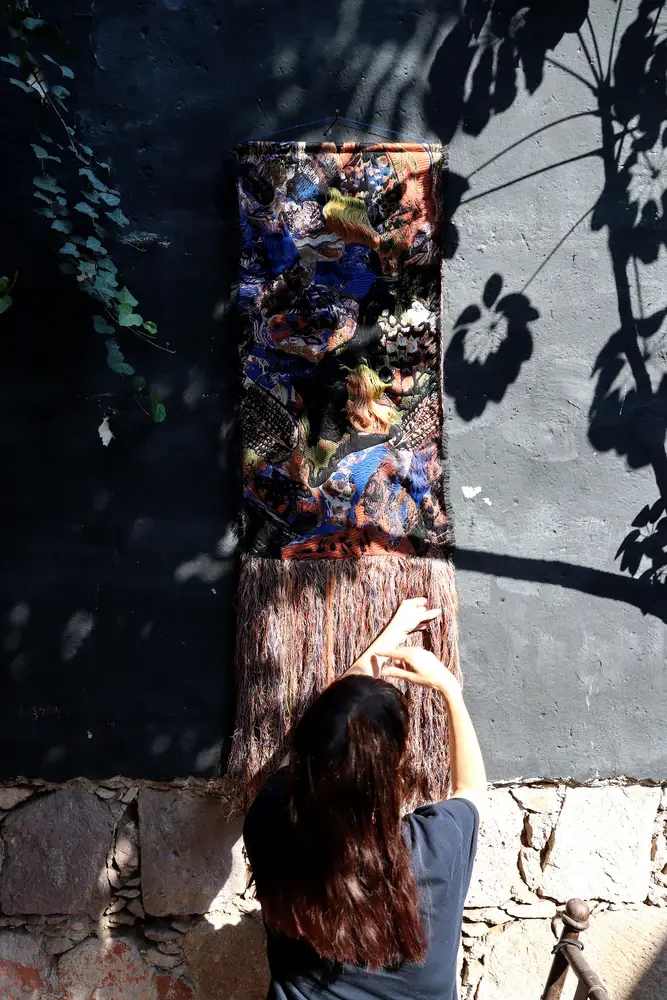
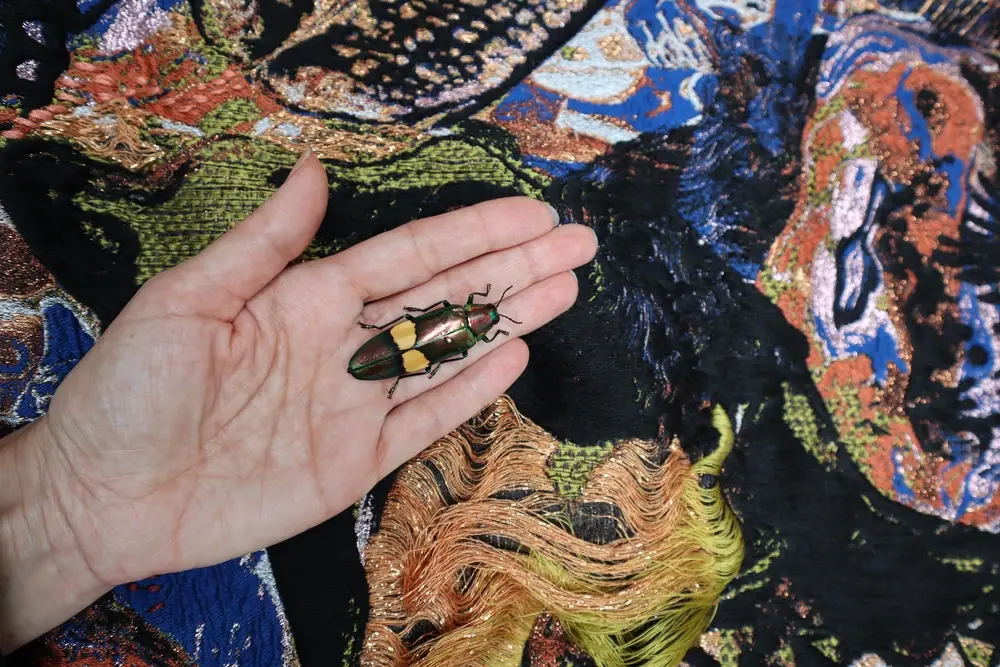
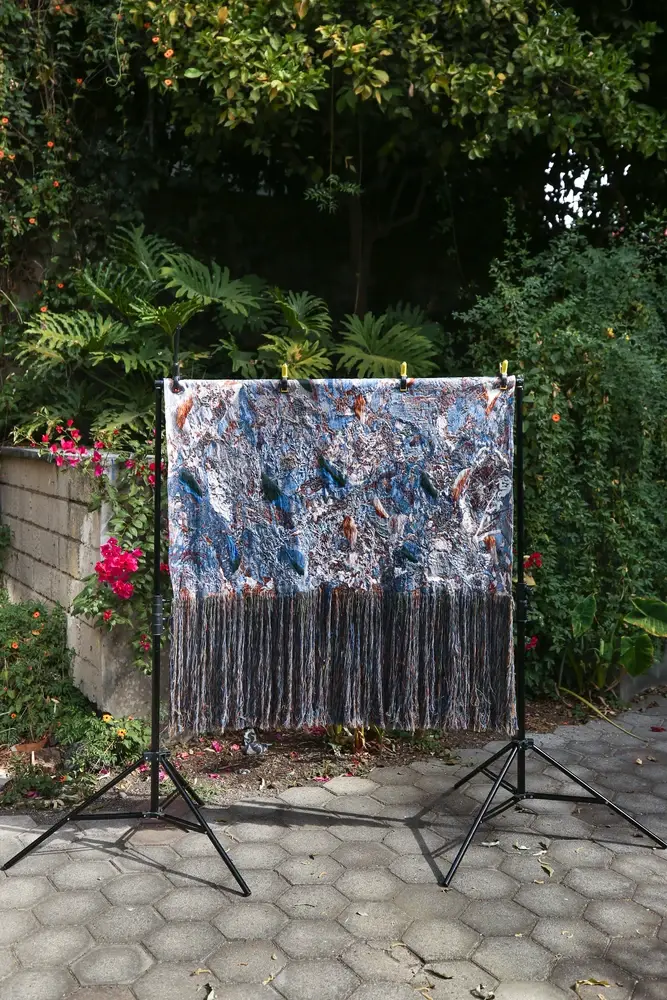
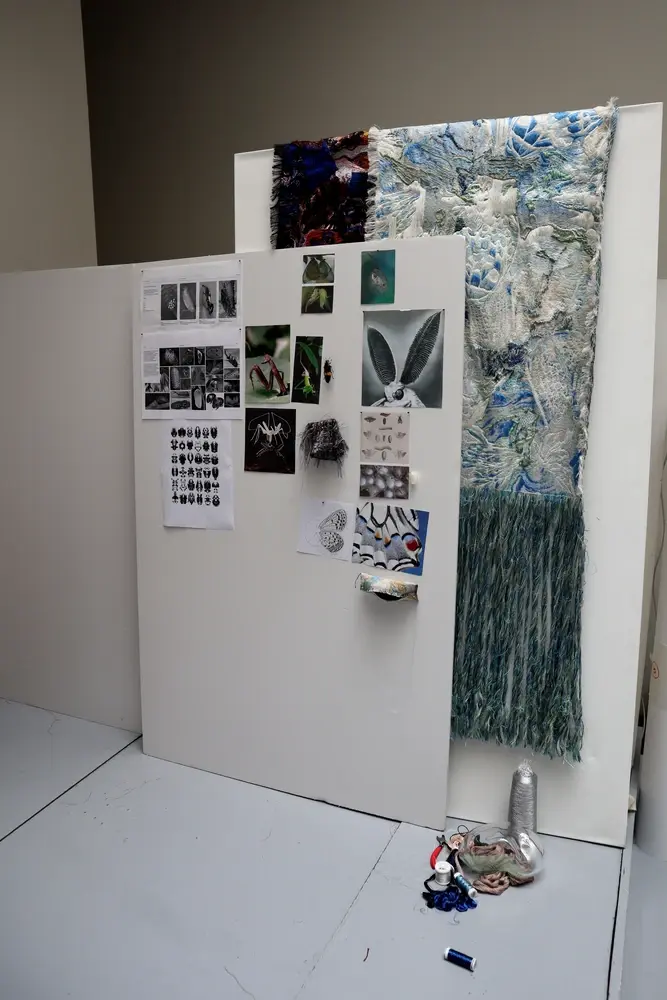
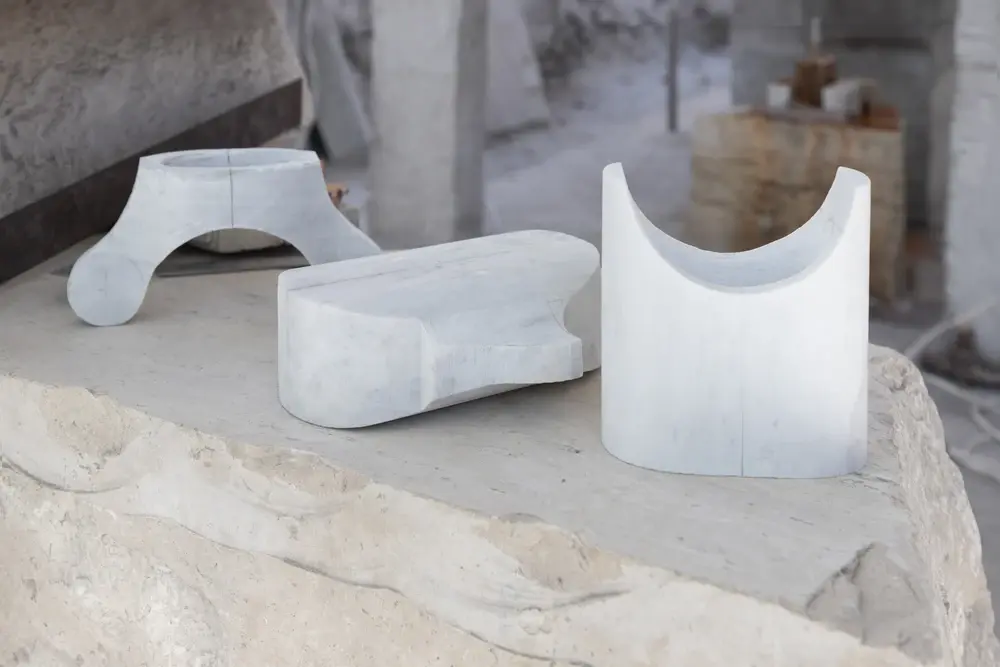
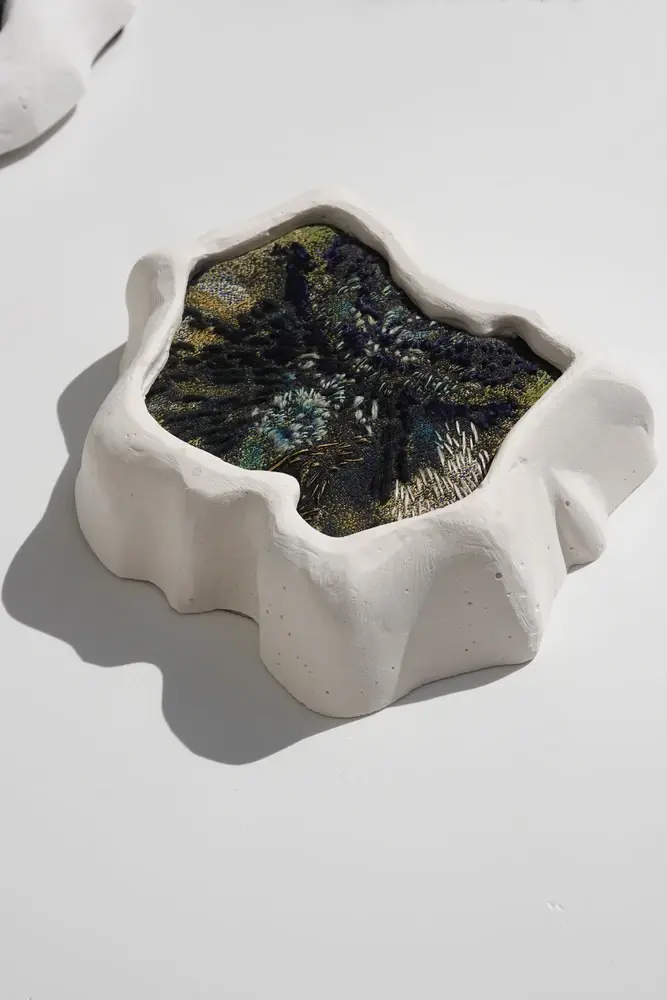
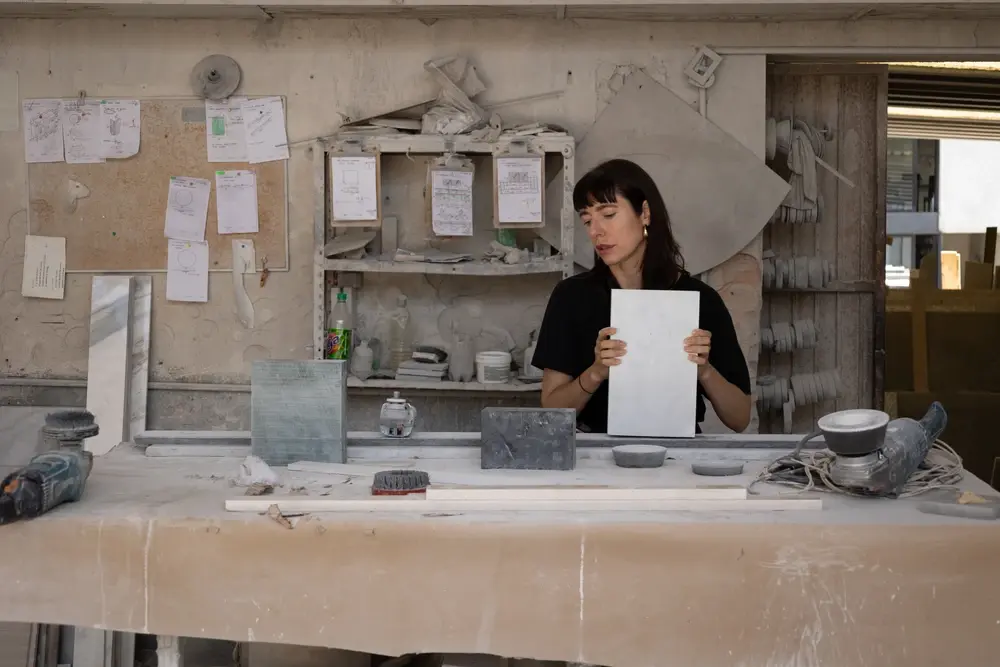
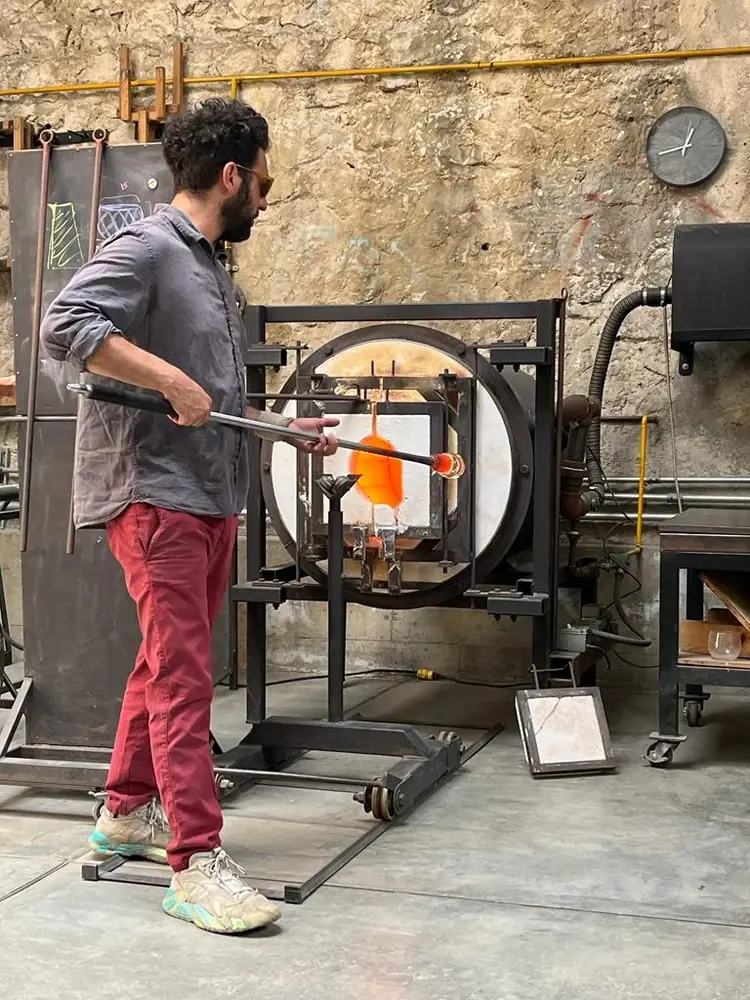
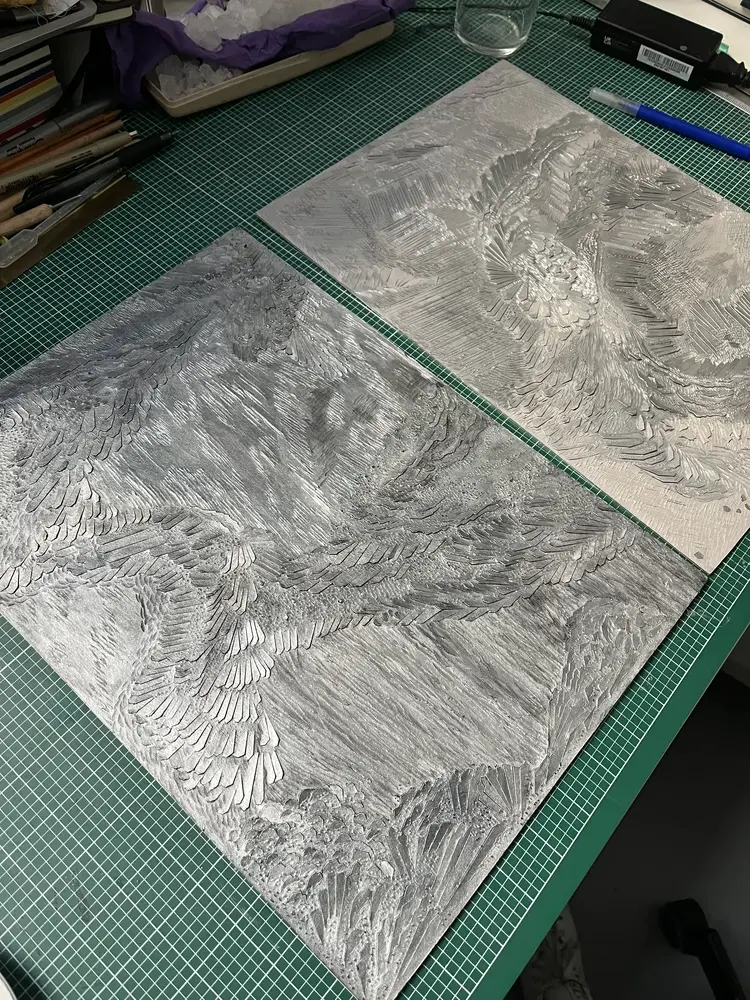
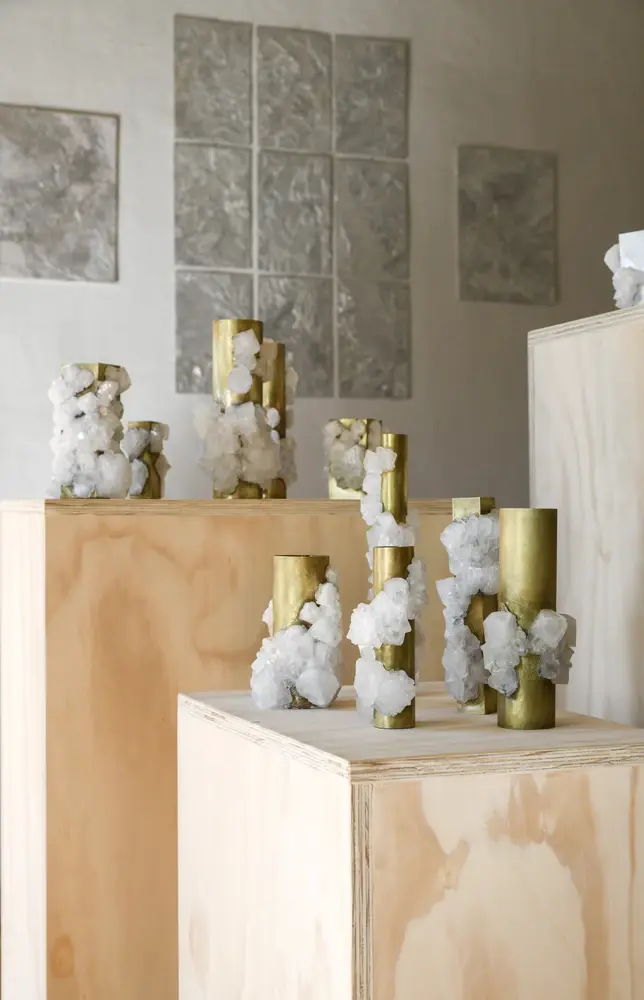
My practice is built upon field research conducted as both a scientific and cultural exploration. I refuse the narrow, academic visions that seek to box my practice into separate categories. During my residencies in Mexico, Asia, or Europe, I work alongside local artisans to collect the memory of a site: odors, pigments, and botanical fragments. These exchanges are essential: they allow for a dialogue between ancestral savoir-faire and contemporary research. I observe rocks carved by wind and mineral deposits to extract a vocabulary of erosion.
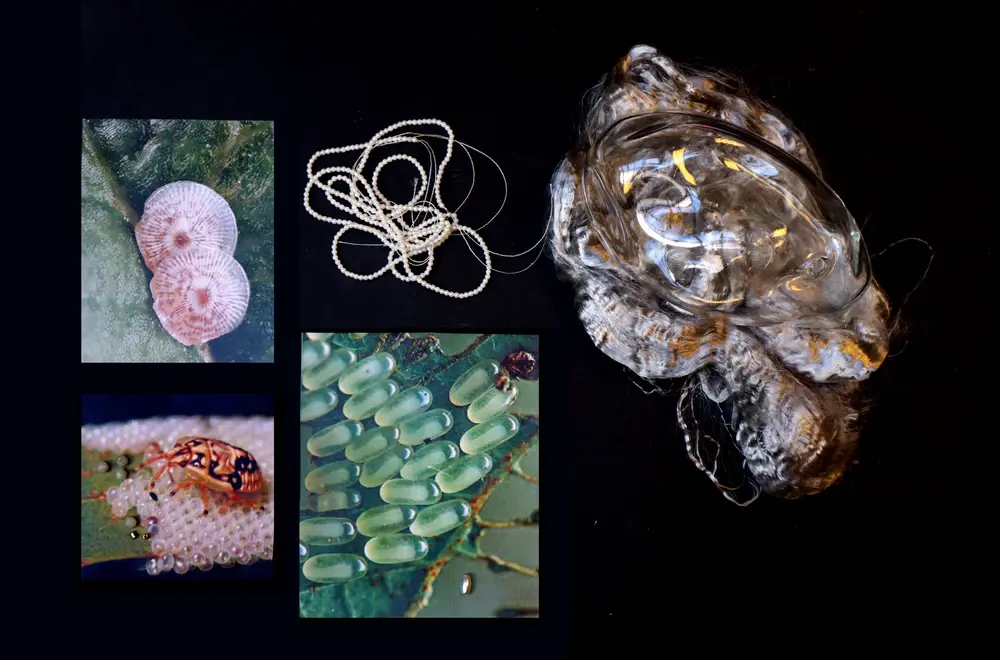
Through the study of traces and vestiges, I explore the beauty of a territory's decline. Rather than illustrating environmental crises directly, I seek to create spaces where wonder and disquiet coexist, probing the tensions of our contemporary condition. I am deeply grateful to these artisans and the institutions whose support makes this work possible.
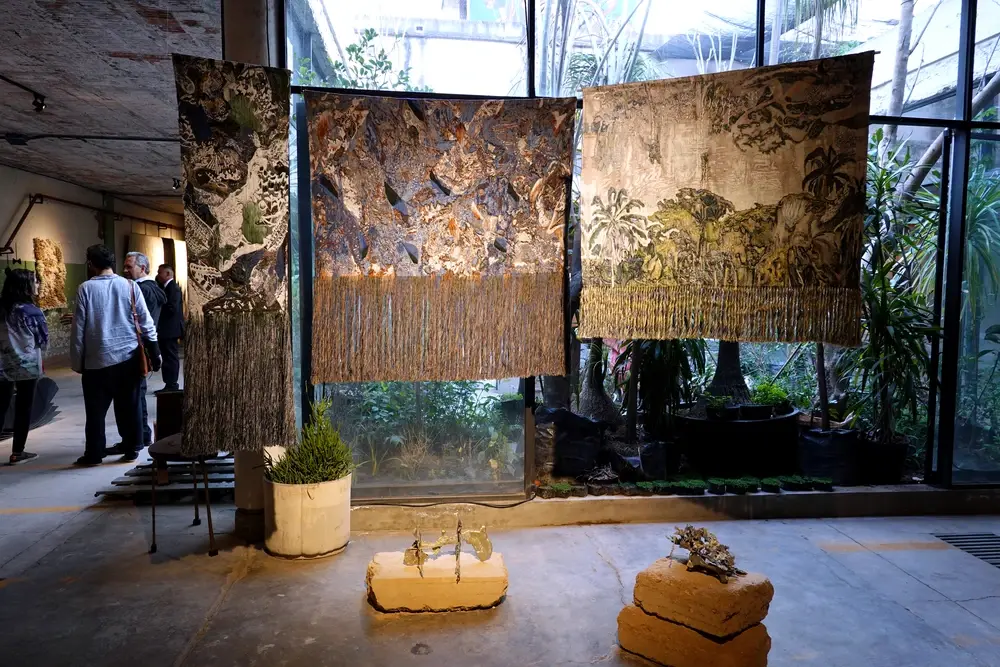
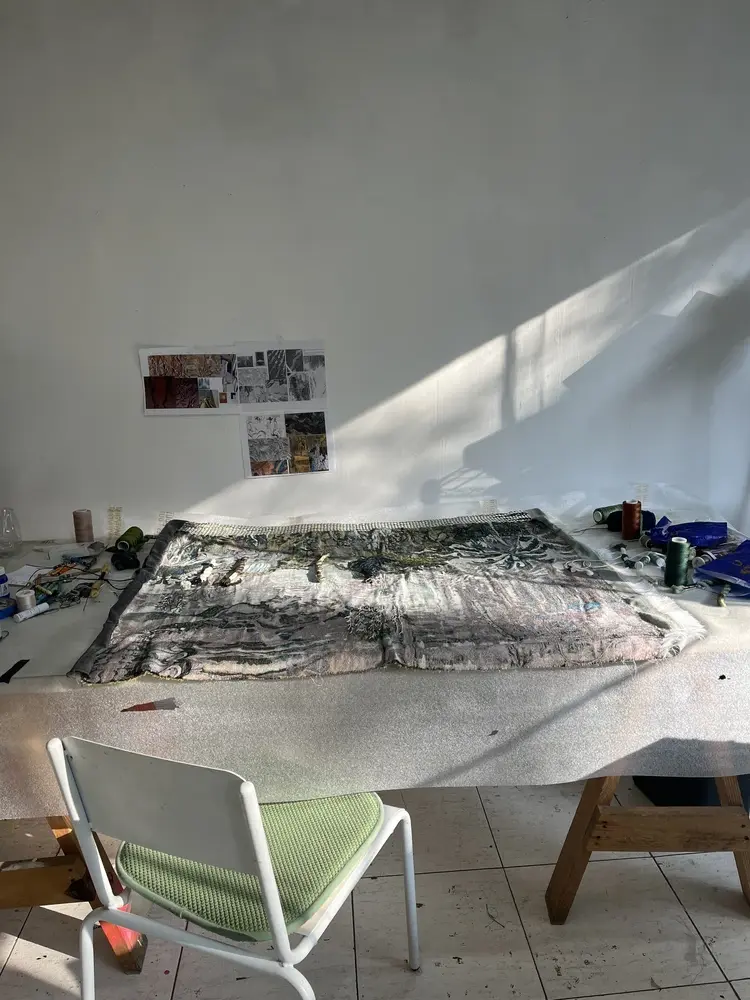
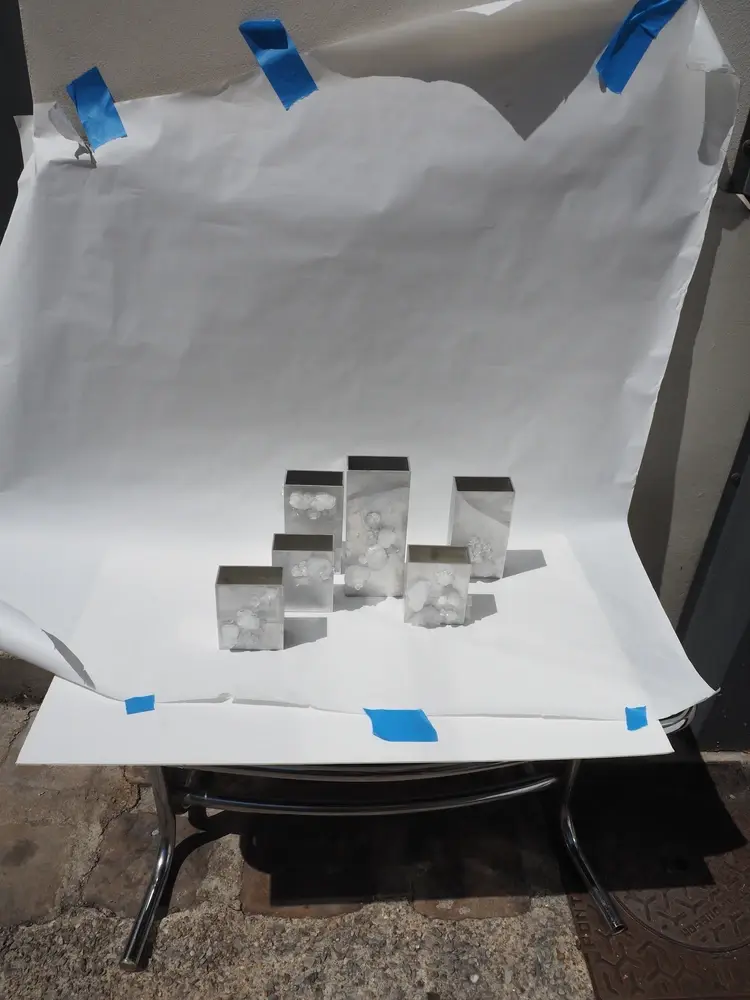
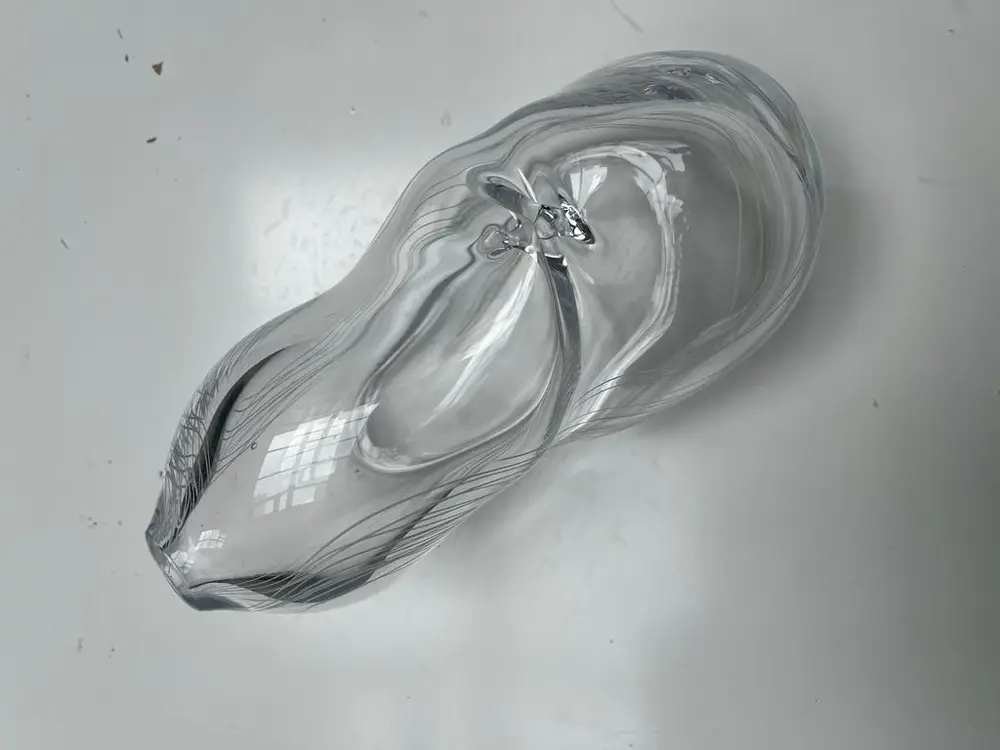
I operate at the intersection of manual craft and technological extension. While my process remains deeply physical—collecting, dyeing, weaving—new tools allow me to translate these organic rhythms into sculpture. Technology allows me to innovate or restore lost forms, resonating with the micro-structures of life. My installations are immersive constellations where material retains the memory of a collective gesture. It is not about nostalgia. It is about attention. To what holds on. To what remains.